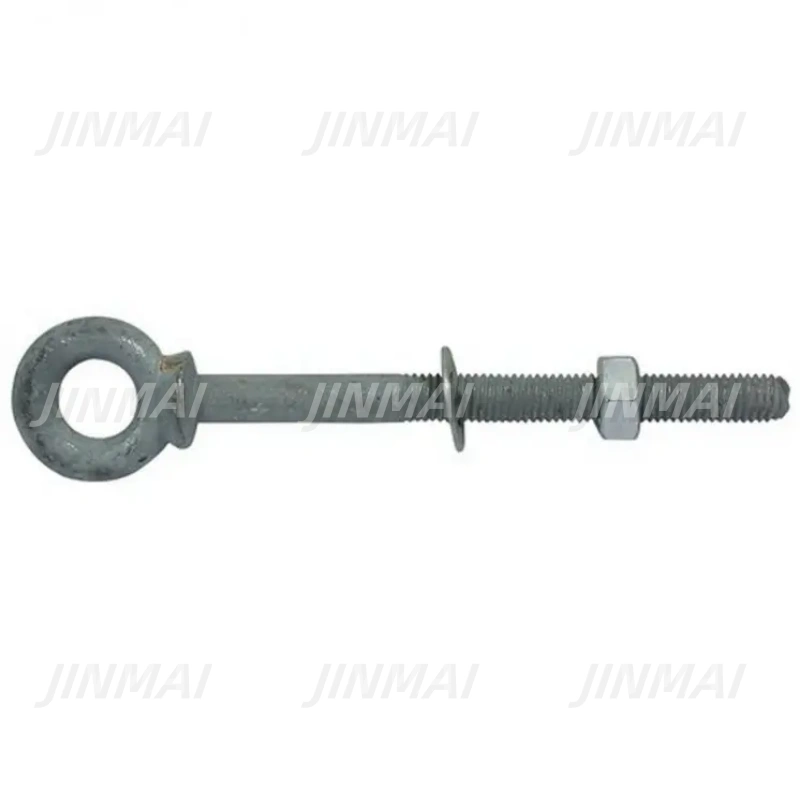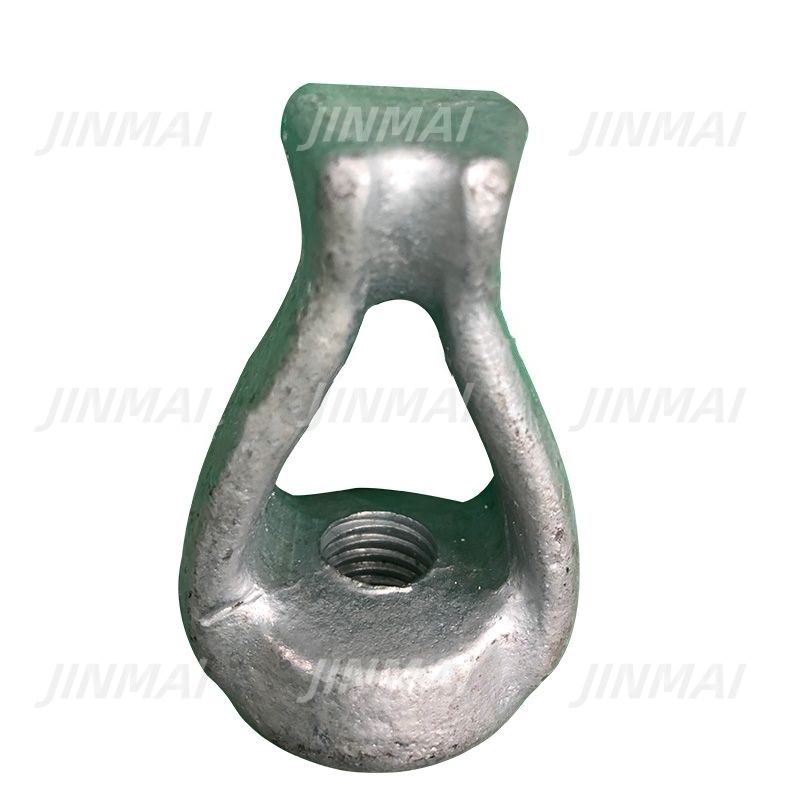
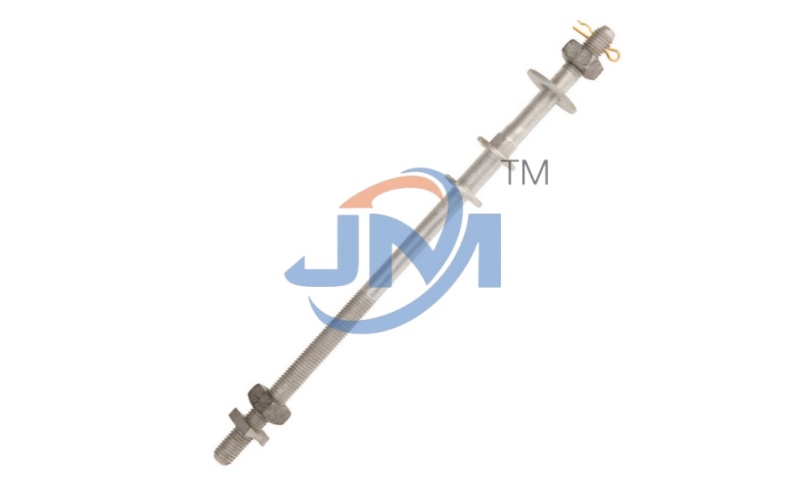
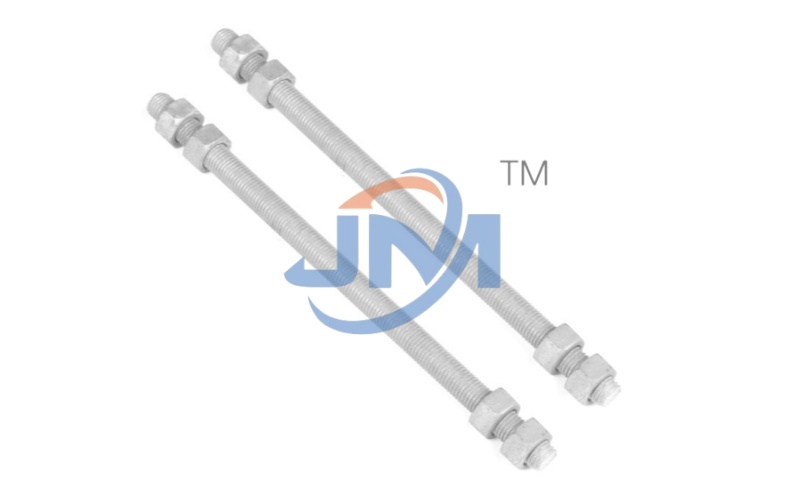
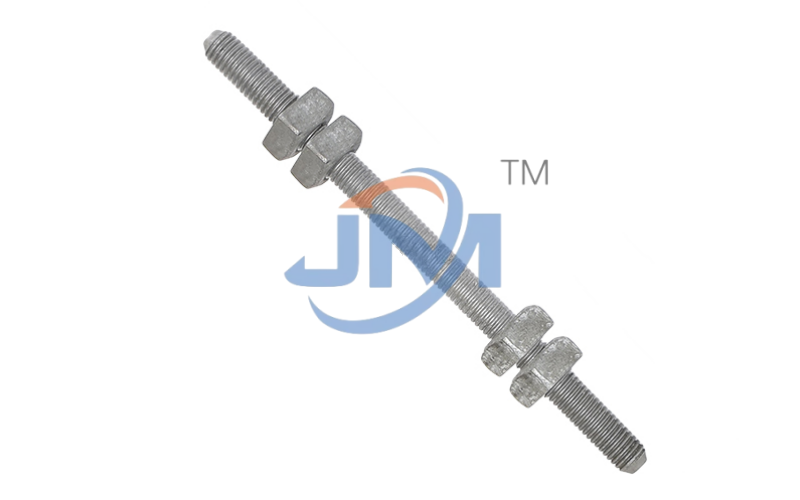
The Double Arming Bolt is a premium quality fastening solution designed specifically for the construction and maintenance of pole lines and overhead line systems in the telecommunication and electrical industries. This robust and reliable fastener is engineered to provide utmost security and stability to crossarm and pole line installations.
Design and Construction: The Double Arming Bolt is a double-threaded bolt, also known as a double-ended bolt, featuring chamfered ends that are designed to facilitate easy insertion through poles. The rounded and semi-cone ends ensure smooth driving and removal without damaging the threads.
Materials and Finish: Manufactured from high-grade stainless steel, these bolts are built to withstand harsh environmental conditions. The hot dip galvanized finish offers additional protection against corrosion, ensuring long-lasting durability and performance.
Versatility: The Double Arming Bolt is available in various diameters (5/8, 1/2, to 3/4 inches) and lengths to suit different applications and load requirements. Custom sizes can also be requested to meet specific project needs.
Installation: The installation process is straightforward and user-friendly. The bolt is inserted through the pole, securing the crossarms in place with the help of washers and nuts. The design ensures that the nuts and washers remain tightly fastened, distributing pressure evenly and preventing loosening over time.
Load Bearing Capacity: The breaking load of the Double Arming Bolt varies depending on its design and dimensions, making it suitable for a wide range of applications from light to heavy-duty use.
Nut Types: The bolt comes with various nut designs, including hex nuts and square nuts, ensuring ease of installation and a secure fit.
Material Selection: The process begins with the selection of high-grade stainless steel, which is known for its excellent strength and corrosion resistance properties. This material ensures that the Double Arming Bolts can withstand harsh environmental conditions and provide long-term reliability.
Heating and Forging: The stainless steel is heated to a specific temperature to make it malleable and then forged into the rough shape of the bolt. This step involves the use of heavy machinery and precision tools to ensure the correct dimensions and form.
Thread Rolling: After forging, the bolt is subjected to a thread rolling process. This involves the use of hardened, profiled rollers that impress the threads onto the bolt's surface. Thread rolling is preferred over machining as it results in stronger and more durable threads.
Cutting and Chamfering: The bolt is then cut to the desired length, and its ends are chamfered. The chamfering process involves creating a beveled edge at the ends of the bolt to facilitate easy insertion into the pole and smooth engagement with the nut and washer.
Heat Treatment: To enhance the strength and durability of the bolts, they undergo a heat treatment process. This involves heating the bolts to a specific temperature and then cooling them at a controlled rate to achieve the desired mechanical properties.
Quality Inspection: Each bolt is inspected for defects, dimensional accuracy, and thread integrity. This step is crucial to ensure that every Double Arming Bolt meets the high-quality standards set by the manufacturer.
Galvanization: The final step in the manufacturing process is the application of a hot dip galvanized finish. The bolts are submerged in a molten zinc bath, which coats them with a layer of zinc. This process provides an additional layer of protection against corrosion and enhances the bolt's longevity.
Packaging and Shipping: Once the bolts have passed all quality checks and have the protective galvanized coating, they are packaged appropriately to prevent damage during transit and shipped to distributors or directly to the customers.
Diameter: The diameter of a Double Arming Bolt is a crucial factor that affects its load-bearing capacity and overall strength. Common diameters include 5/8 inch, 1/2 inch, and 3/4 inch, with custom sizes available upon request. The diameter determines the compatibility with nuts and washers and is directly related to the tensile strength of the bolt.
Thread Pitch and Type: The thread pitch, or threads per inch (TPI), is essential for ensuring a secure grip and proper engagement with nuts. The thread type is typically UNC (Unified National Coarse) or BSW (British Standard Whitworth), depending on regional standards and application requirements. The thread design contributes to the ease of installation and the clamping force exerted on the pole.
Length: The length of the Double Arming Bolt is measured from the end of one thread to the end of the other, excluding the chamfered ends. Lengths are tailored to the specific requirements of the pole line and crossarm configurations. The appropriate length ensures that the bolt can pass through the pole and provide enough thread engagement on both sides for a secure fit.
Material: Stainless steel is the preferred material for Double Arming Bolts due to its corrosion resistance and high strength. The material grade should meet industry standards for durability and load-bearing capacity.
Surface Finish: Hot dip galvanization is a common finishing process that provides a protective coating against rust and other forms of corrosion. The thickness of the galvanized coating should meet specific standards to ensure long-term protection.
Breaking Load: The breaking load, or ultimate tensile strength, indicates the maximum load the bolt can support before breaking. This specification is vital for ensuring the bolt's reliability and safety in use.
Nut and Washer Compatibility: The bolt should be compatible with various nut and washer designs, such as hex nuts and square nuts, for ease of installation and secure fastening. The dimensions of the nut and washer should match the bolt's diameter and thread pitch.
Torque Specifications: The recommended torque values for tightening the nuts should be provided to ensure a secure installation without over-tightening or under-tightening.
Certifications and Standards: The Double Arming Bolts should conform to industry standards and certifications, such as ASTM, ISO, or other relevant specifications. Compliance with these standards ensures quality, reliability, and consistency in production.
In conclusion, Double Arming Bolts play a pivotal role in the construction and maintenance of critical infrastructure, particularly in the telecommunication and electrical sectors. These bolts offer a reliable and efficient method for securing crossarms to poles, ensuring the stability and safety of overhead line systems. The meticulous manufacturing process, combined with rigorous quality control measures, ensures that these bolts meet the highest industry standards for durability, strength, and corrosion resistance.
The technical specifications of Double Arming Bolts are designed to cater to a wide range of applications, from light-duty to heavy-duty requirements. With customizable options for diameter, length, and material, these bolts can be tailored to fit the unique needs of any project. The use of premium materials like stainless steel and protective finishes such as hot dip galvanization further enhances their longevity and performance in various environmental conditions.
The straightforward installation process of Double Arming Bolts contributes to their widespread adoption in the industry. By simplifying the assembly of pole lines and crossarms, these bolts not only save time and labor costs but also ensure a secure and stable installation that can withstand the test of time.
If you require a customized Guy Clamp, Jinmai Powerline's skilled workers and knowledgeable engineers can provide a solution from design to delivery in a short period.
If you are interested in our Guy Clamp or have any questions, please feel free to contact us.
We have recommended some of our Related products to you. I hope you will be interested.